
How to Find the Influencers Your Competitors Work With

Your biggest competitor has already done the expensive part for you. They have spent months and a real budget testing dozens of creators to find the handful that actually move product. That shortlist exists, it works, and you can read most of it for free.
Finding the influencers a brand works with is one of the highest-leverage moves in creator marketing, and almost nobody does it properly. Instead of guessing at a niche from scratch, you start from a list of creators with proven commercial intent: people who already take brand deals in your exact category. This is the process for finding that list, filtering it down to the ones worth contacting, and reaching out without looking like a copycat.
Why a competitor’s creator list is the best shortlist you’ll get
A cold creator search gives you people who look right. A competitor’s tagged creators give you people who have already done the job. That is a completely different quality of lead.
Three reasons this shortlist beats a blank-slate search:
- Proven brand intent. A creator who already tags brands in your space is comfortable being paid and knows how to disclose a partnership. No convincing required.
- Pre-qualified audience. If they converted for a direct competitor, their audience is your audience. The demographic and interest overlap is already tested.
- Faster pricing. Creators who work with brands your size usually have set rates and quick turnarounds, so negotiation is shorter.
You are not copying a strategy. You are starting from validated demand instead of a hunch.
Step 1: Read the tags, not the follower counts
When you look at a competitor’s creators, the follower number is the least interesting thing on the page. What matters is the relationship signal: how a creator is connected to that brand, and how much that connection is worth to you.
| Signal | What it means | How much to trust it |
|---|---|---|
| Paid partnership label | A disclosed, paid post | High. This is a real, current deal |
| Repeated brand tags | Multiple posts tagging the brand | High. Sign of an ongoing ambassador relationship |
| One-off @mention | A single tag or story | Medium. Could be paid, could be organic |
| Gifted / PR tag | ”Thanks for the gift” language | Low to medium. Free product, not always a fee |
| Fan mention | Unprompted love, no deal | Low. Nice signal, but not a proven partner |
The creators you want most are the ones with repeated paid tags. They are proven, ongoing partners, which means they perform well enough to get rebooked. Those are the names to chase first.
Step 2: Find who tags a brand, the fast way
You could scroll a competitor’s tagged photos by hand for an hour and still miss half the creators. The faster route is to let a database read the tags for you.
Enter any brand and our free who works with a brand tool instantly surfaces the Instagram creators who @mention and tag them, ranked by size. Type a competitor’s handle from the pick-list, and you get a live list of the accounts already talking about them, no scrolling required. Every tag is a receipt: the tool simply reads the receipts at scale.
Start with your three closest competitors. Run each one, and you will see the same handful of creators appearing across all of them. Those repeat names are the workhorses of your category, and they belong at the top of your outreach list.
If you want the same idea pointed at your own brand, to find creators who already use your product organically, we cover that in find creators who already use your product.
Step 3: Separate the paid partners from the fans
Not everyone tagging a brand was paid. Your list will mix genuine ambassadors with one-off gifted posts and unpaid superfans. Before you invest time, split them.
- Look for the disclosure. “Paid partnership”, “#ad”, “#sponsored” tells you a fee changed hands. That creator prices and delivers brand work.
- Check the cadence. One tag is a maybe. Four tags of the same brand over three months is an ambassador, and ambassadors convert.
- Ignore the pure fans for now. Unpaid mentions are a warm lead for gifting later, but they are not your proven-partner shortlist.
Aim to come out of this step with 15 to 25 creators who show clear, repeated, paid intent. That is a shortlist you can actually work.
Step 4: Build a lookalike shortlist, don’t just clone the list
Copying a competitor’s exact roster is a weak strategy. Their best creators may be locked into exclusivity, and you want an edge, not a mirror image. Use their list as a seed, then expand it.
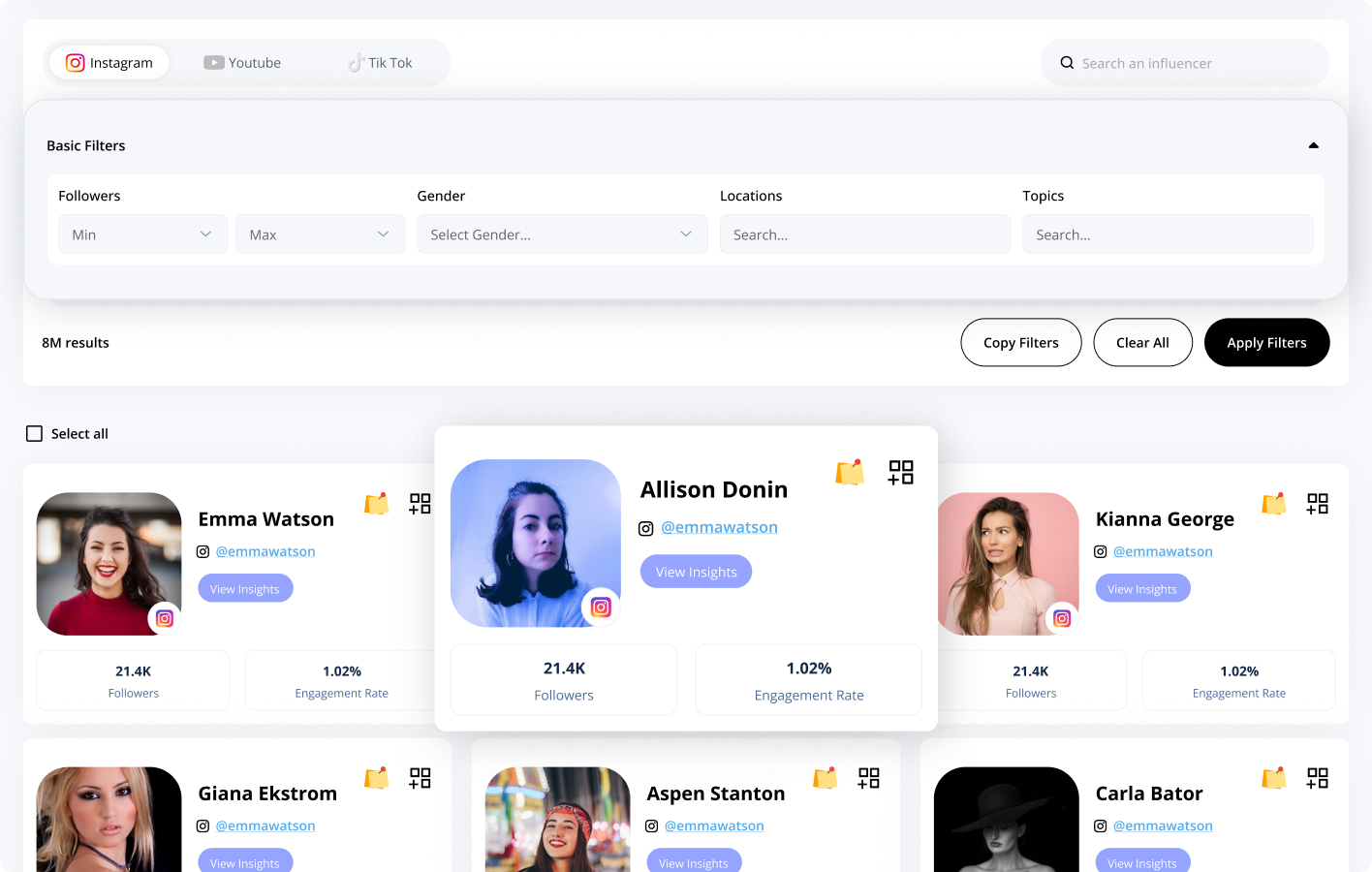
Take the two or three best creators you found and look at the shape of them: audience size, niche, tone, location. Then use a discovery database to find more creators that match that shape but are not yet on your competitor’s payroll. You can search creators on Hive by follower size, location, engagement and audience demographics to build that lookalike list quickly.
The goal is a shortlist that overlaps with what already works for your competitor, plus fresh names they have not booked yet.
Step 5: Vet before you poach
A creator who works with a competitor is a strong signal, not a guarantee. Some brand deals are vanity buys that never converted. Run the same three checks you would run on any creator before you talk money.
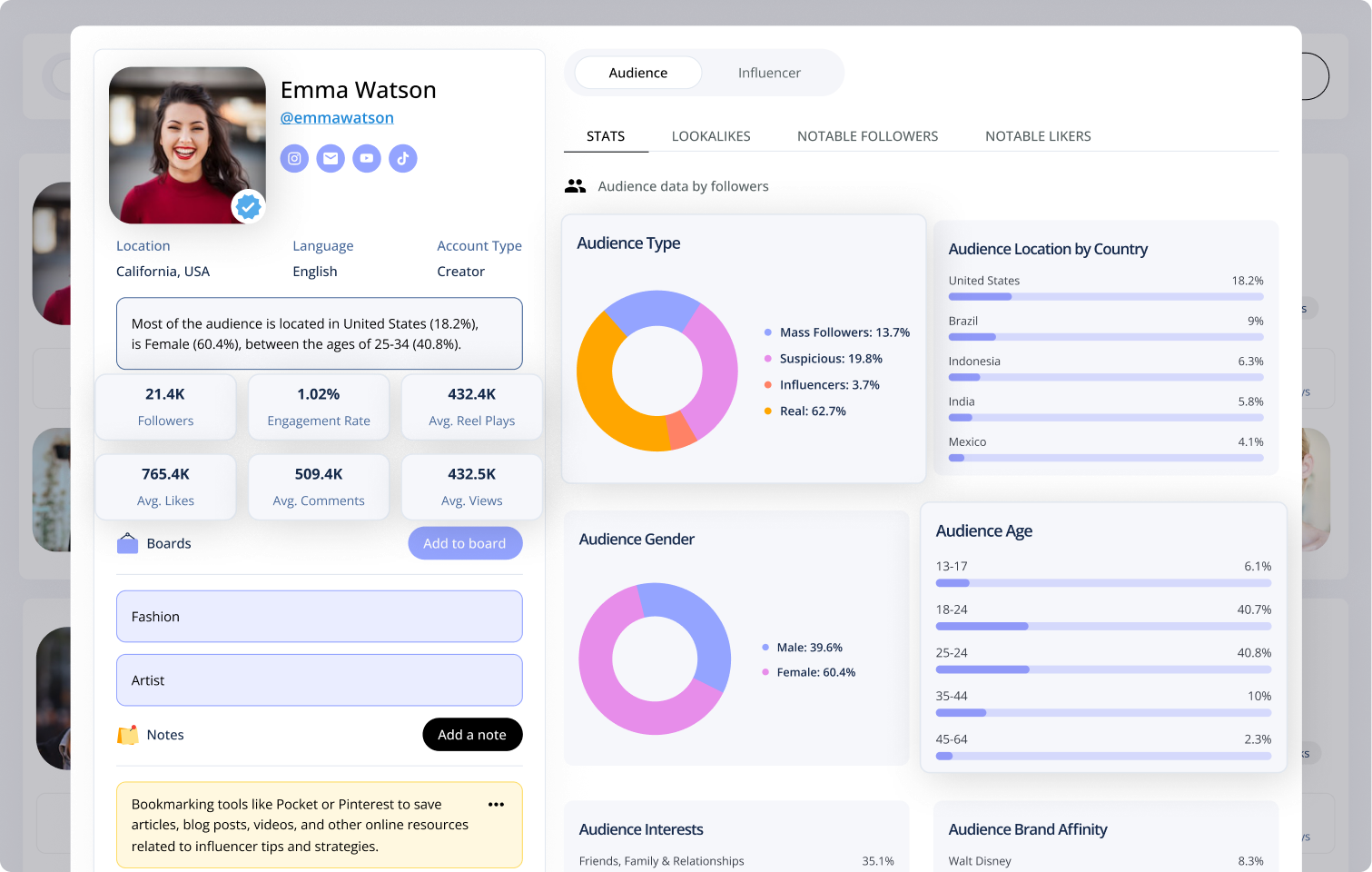
Check the real engagement rate, not the follower count, with the free engagement rate calculator. Then run the audience through the fake follower checker, because a bought audience does not convert for you any better than it did for them. If more than a quarter of the audience looks fake, walk away. We go deeper on this in how to spot fake followers before you pay.
Step 6: Reach out with an angle they can’t ignore
A creator who already works in your category gets pitched constantly. Your opening has to do more than say hello.
- Name the competitor work, respectfully. “I loved your recent campaign in this space” shows you did the homework without being weird about it.
- Lead with the difference. Give them a reason to add you rather than replace anyone: a better product angle, more creative freedom, or a longer-term deal.
- State the deliverable, timeline and that there is a budget. Proven creators do not chase vague offers.
Price it before you negotiate so you are not anchored by their first number. The free rate card generator gives you a realistic per-post estimate for any creator, and how much do influencers cost breaks it down by size and platform.
The short version
Your competitors have already paid to find the creators that work in your category. Read their tags to find those creators, trust repeated paid partnerships over one-off mentions, and use that list as a seed to build a fresh lookalike shortlist. Vet engagement and fake followers before you reach out, then pitch with a real angle and a real budget. It is the fastest way to skip the guesswork and start from proven demand.
If you would rather find creators by how they describe themselves than by who they tag, that is a different and equally powerful search: see how to find influencers by bio keyword. And for the full process from goal to booking, start with how to find influencers for your brand.
Want to see who works with any brand right now? Hive lets you find a competitor’s creators, vet their audience, and book your own, all in one place. Create a free brand account and build your shortlist today.
Find creators worth paying, in one place.
Search 380M+ creators by the content they actually post, then vet, book and pay in one platform.
Create a free account